
News Team member Tarek Yamani recommends the book "The Coming Plague" by journalist Laurie Garrett, highlighting its use of personal stories to explain the emergence and treatment of various infectious diseases.
Herbal Supplements Are Not The Same As Drugs
Supplements don’t undergo rigorous testing and quality control. Their safety may be questionable.
By Laniah Bowdery
Most grocery stores have an aisle dedicated to herbal supplements and health foods. These products are marketed as the key to immune function, focus, and wellness. This is an appeal to changes in health trends at a time when distrust in science and medicine are growing. As of 2026 the botanical drug market is set to reach almost $57 billion by 2035. Yet consumers are not always fully aware of the safety or efficacy of these products.
Unlike pharmaceuticals that may be drawn from botanical sources, dietary supplements do not have to be approved by the US Food and Drug Administration. Legally, to make it to the marketplace, herbal and dietary supplements need only show a previous history of consumption. Consumers purchase these products assuming they are safe because they are derived from plants or nature — but there are differences between in how these plants were used traditionally and they behave when taken as a pill, an extract, or an additive.
The efficacy and treatment capabilities of herbal supplements are not researched anywhere near as thoroughly as actual drugs. “Whereas for a product under the Dietary Supplement Health and Education ACT, DSHEA, there’s no pre-market approval requirement,” says Cassandra Quave, the curator of the Herbarium and associate professor of Dermatology and Human Health at Emory University.
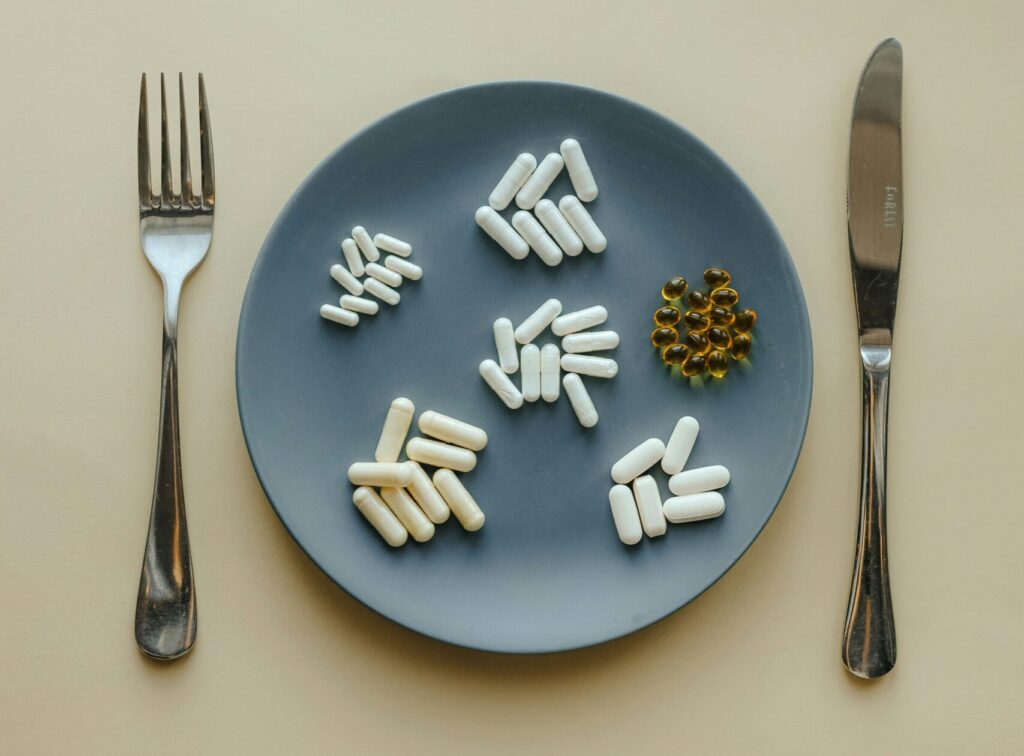
The botanical drug market does not account for all medicinal usage of plants. Botanical drugs are not all the same and the main drive in the upward market trend are herbal supplements and herbal medicines. Natural products are products that consumers use with complementary medicine or for alternative medicine. Botanical drugs are extracts from a single plant used to cure, diagnose, or treat ailments. Consumers often confuse the different products that fall under the natural products category. This confusion becomes an issue when dietary supplements are mistaken for something that they are not.
“Just because one product says, for immune support, doesn’t mean that you know they may have some general research in the common public literature about health promoting effects of the botanical species,“ says Quave. “You’re not going to have that precise formulation having been studied in humans or animals or even in a lab so I think that’s probably the most valuable thing to help people become more aware.”
A paper published in 2025 in the journal AROC in Pharmaceutical and Biotechnology finds that there is a need for more rigorous testing and quality control for natural products before they are put onto shelves. Natural products pose two main issues: The assumption of safety, and the lack of regulation. Low levels of regulation surrounding natural products has led to issues of contamination and chemicals at toxic levels to humans. The gap of knowledge between producers, consumers, and doctors is evident when it comes to what products are put on the shelves and who is buying these products.
Certain plants have proven therapeutic properties, the proper way to use the plants for their medicinal purposes is learned through testing. With the dietary supplements on the grocery store shelf there is not a sure way to be sure about the efficacy of the drug because there is no testing. The average consumer has no knowledge of the proper dosage, the interactions that may occur with other supplements or medicine, or even contaminants. The producer may also not be aware of this information either because they have not invested into research and development for their products.
Additional issues occur when producers mislabel supplements as something they are not, when they use the wrong part of the plant like the root when the beneficial molecules are found in the leaves, and more. Proper research and guidelines would give the best chance at proper usage, but without them, there is no way to be sure that these supplements are going to have their prescribed benefits or supposed safety.

Producers rush products to the market for the sake of profit. Yet the profitable nature of herbal supplements becomes a slippery slope. If the producers’ main concern is profit, then there is nothing in place to protect the consumer without those guidelines.
In fact, there is a current class action law suit alleging that herbal supplements sold at stores such as Target, GNC, Walgreens, and Walmart contain unlisted herbs and do not contain the herbs that were listed on the packaging. The mislabeling puts consumers in direct danger. This is a hard issue to catch without proper regulations being put in place.
“There’s this push to get what people want without the long term studies,” says Laura K. Jones, an assistant visiting professor in Emory University’s anthropology department. “We’re speaking across the table, and that’s a dangerous terrain to go in, just to get the consumer what they want as fast as possible without going through the usual hoops.”
To mitigate these issues, consumers need to read the labels of products and do the proper research such as consulting a physician or looking for certain certifications that ensure that the products they are using are as safe as possible. For producers who care about ethics, there are ways to ethically source their ingredients and ensure consumer safety to the best of their ability. Both producers and consumers struggle with wanting fast results, but research shows that fast is rarely going to equate to safe.
The herbal and dietary supplement market is only going to continue to grow. As this growth continues exponentially, consumers need to be aware of the nuances. Herbal and dietary supplements are different from botanical drugs and are not subject to the same regulations, testing, or guidelines. The lack of a pathways to ensure safety puts consumers at risk.
Related Posts